
2026 World Cup Group Stage Analysis: Rankings & Qualification Odds
⚽ FIFA World Cup 2026
Official Group Stage Schedule
The 2026 FIFA World Cup features a historic 48-team lineup and introduces a transformative group stage format hosted across United States, Canada, and Mexico in world-class stadiums from New York New Jersey to Kansas City.
Each group offers a blend of established powerhouses (France, Argentina, Spain, Croatia) and ambitious underdogs ready to challenge for the coveted qualification spots.
FIFA rankings, recent form, key player fitness and group dynamics crucially influence expert and bookmaker odds for who qualifies from each group.
Statistical models and advanced analytics power expert predictions, while the expanded format increases pathways for third-placed teams to reach the round of 32.
The draw sets up must-watch rivalries and storylines: will hosts dominate, former champions redeem themselves, or new football nations seize the 2026 moment?
Fans and punters alike can expect twists, upsets, and unforgettable drama as the road to 2026 unfolds in some of the world’s most iconic cities.
With the FIFA World Cup 2026™ upon us, the landscape of global football undergoes its most seismic shift in a generation. The United States, flanked by Canada and Mexico, stages the first-ever tournament with 48 national teams, tripling the host nations from any prior edition. A new match schedule casts a spotlight on cities for FIFA World Cup festivities, from cosmopolitan New York New Jersey to the electrifying energy of Los Angeles World Cup 2026 and the emblematic heartland at Kansas City. The draw’s expanded design twelve groups with four teams each, a relentless group stage, and more group stage matches than ever means the path to World Cup glory is anything but predictable.
But this is more than a sporting spectacle it is a cultural fusion in iconic venues, a global stage for legends and upstarts alike. World Cup fans will savor not just the drama of the draw for the 2026, but also the electric anticipation in each host city and the carnival of fan fest locations. With 48 teams and 104 matches across the continent, the very fabric of football is being rewritten, rewarding depth, adaptability, and the intangibles safety and security, ticket prices, and fervent local support that can make or break a nation’s dream.
This in-depth preview will dissect every group, highlight key matchups, and deliver a rigorous look at team strengths, x-factors, and the statistical and betting landscape guiding expert predictions. Whether you’re charting the road to 2026 for your favorite team, plotting bets, or soaking up the atmosphere in official FIFA World Cup 26™ cities, this guide will equip you with the insight to experience the beautiful game on its most dynamic stage yet.
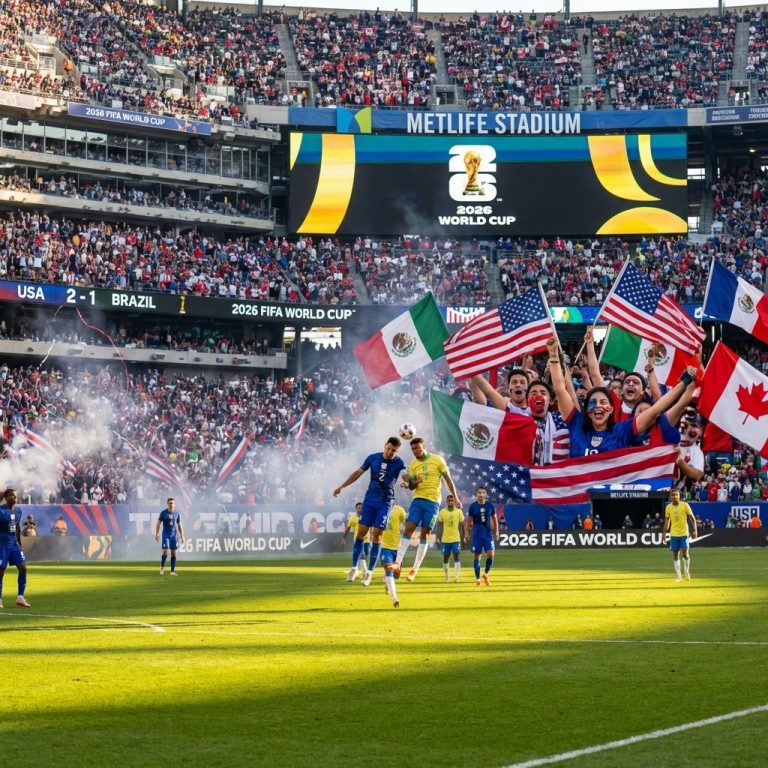
2026 World Cup Group Stage Preview: Team Rankings and Match Predictions
Top Contenders in Each Group: Analyzing Qualification Chances
With twelve groups of four teams, the 2026 World Cup Group Stage is a test of depth, form, and resilience. Each group reflects a tapestry of footballing traditions, emerging powers, and the dreams of nations staking their claim on history.
Group A sees United States thrive as hosts, buttressed by fervent support at venues like SoFi Stadium and Kansas City. Their recent Concacaf campaign and core of stars such as Christian Pulisic establish them as favorites. The group’s intrigue deepens with gritty Republic of Ireland and wildcard Qatar, eager to justify their World Cup qualifiers spot after mixed performances in Asia.
Group B features France, perennial World Cup giants whose squad depth and recent UEFA form underscore their status. Norway, emboldened by a new generation, and technical Senegal, African champions, provide formidable challenges especially if Senegal can maintain fitness for stars like Sadio Mané.
Group C brings together Argentina defending champions and title contenders alongside Mexico, whose passionate home crowds in cities like Mexico City could be an advantage. South Africa, returning after their own hosting experience, and playoff-surprise Wales round out a fiercely competitive quartet.
Group D is a stage for Spain’s flowing possession and Belgium’s golden generation, both aiming for redemption after near-misses in 2022. Surprise package Haiti and ever-dangerous Iran will look to catch a giant off-guard.
Throughout all groups, the hosts United States, Canada, Mexico are primed to leverage home advantage, cutting a tough path for traveling sides. Standouts like Paraguay, Uruguay, and Croatia fill the “favorites” tier, but every group contains at least one side with the pedigree to pull an upset or flame out in disappointment.
The main question: will the giants dominate, or can a “lesser” nation fuelled by momentum or bold tactics rewrite their World Cup narrative? That’s the drama at the heart of this revamped group stage.
Underdogs Poised to Upset the 2026 World Cup Group Stage
The unpredictability of a FIFA World Cup™ group stage is its signature. As football evolves, so do the underdogs. In Group F, look for Slovakia and debutant Kosovo to punch above their weight. The European qualifiers were brutal yet Kosovo and North Macedonia battled through adversity and high-pressure situations, earning their shot on the global scene. Expert analysis points to their counterattacking speed and collective discipline as keys to potential group-stage shocks.
In Group H, South Korea, once perennial underdogs, now a serious threat, could unsettle continental favorites like Croatia and Belgium. Managerial acumen and a crop of agile, fearless players mean no match is safe for the traditional giants. Meanwhile, Haiti in Group D carries fairytale ambitions, channeling their meteoric qualification run into hopes for a seismic upset.
Haiti: Their historic journey through the playoffs and dynamic attacking trio drew headlines during qualifiers, but can they now surprise Spain or Belgium in a single match?
Norway: Led by emerging talents, they could channel their momentum into group stage heroics especially against traditionally slow-starting heavyweights.
New Zealand: Always organized and physical, they are built to frustrate more technical teams, especially with resilience honed in the Oceania region.
Each group features at least one team with the potential to defy pre-tournament odds. As seen in previous editions, the expanded format means almost any team if it peaks at the right time could become this year’s Cinderella.
Statistical Breakdown of Goals Scored and Expected Outcomes
Analytics now drive predictions more than ever before. Data from FIFA and independent sources reveal trends from recent qualifiers: traditionally, only 30% of group matches end in draws, and top two teams average 2.1 goals per game, a figure rising when powerhouses meet underdogs.
For example, Croatia and France have consistently averaged high goal tallies in their opening fixtures, leveraging early momentum. Meanwhile, Japan, Senegal and Mexico have built reputations as low-scoring, defensively disciplined sides, favoring narrow wins.
Group | Favorites’ Average Goals Per Game | Underdogs’ Average Goals Per Game | Projected Top Two Teams |
|---|---|---|---|
Group A | 1.9 | 1.1 | United States, Republic of Ireland |
Group B | 2.2 | 0.8 | France, Senegal |
Group D | 2.0 | 0.7 | Spain, Belgium |
Group F | 1.8 | 1.2 | Croatia, Norway |
These figures demonstrate the dangers of defensive lapses for favorites and the fine margins required for underdogs to advance. The data-driven approach arms coaches with actionable insights, but the volatility of knockout hopes ensures every match remains on a knife’s edge.
Impact of New Tournament Format on Group Stage Qualification
The transition to 48 teams radically changes qualification maths. Now, the top two sides from each group, plus the eight best third-placed teams, progress to the round of 32. This setup invites tactical flexibility and late-stage drama, where historic powers must avoid complacency and hold nerves under the threat of a single poor result disrupting their campaign.
This expansion benefits resilient, organized teams over the flashier, inconsistent ones. Deep squads like those of France, Argentina, or Spain gain a cushion for squad rotation and injury management. For mid-tier contenders or debutants, however, every point and even goal difference could be decisive for qualification through the third-place back door.
Fans are poised for record drama: matchday three in every group could become the decisive World Cup date for nations fighting for their tournament lives an evolution expected to become a defining feature of World Cup 2026 and FIFA.
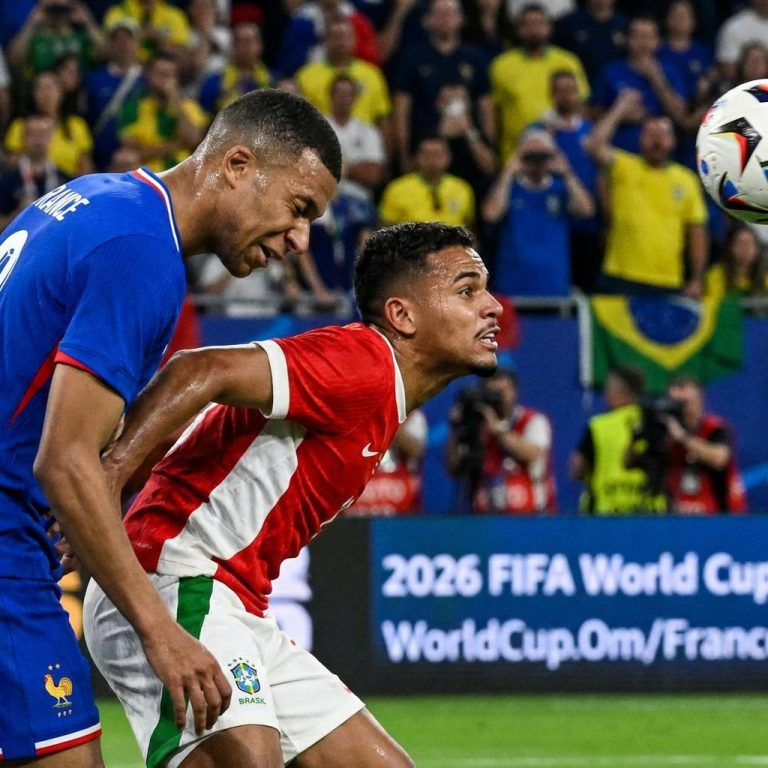
2026 World Cup Group Stage Qualification Odds: Expert Betting Insights
Bookmakers’ Favorites and Dark Horses for Group Stage Success
Bookmakers, fueled by odds compilers and advanced models, quickly set lines after the draw for the 2026: perennial forces like Argentina, France, Spain, and United States are near-unanimous favorites to top their groups. Yet there’s consensus on several dark horses—Senegal, Norway, Paraguay with short odds to qualify, reflecting their impressive recent results and under-the-radar squad quality.
The host nations U.S., Canada, Mexico enjoy an odds boost thanks to stadium familiarity, climate adaptation, and vociferous home support. Canada’s dramatic rise, particularly after a historic World Cup qualifiers campaign, has fuelled anticipation for a group stage breakthrough.
The biggest variables? Breakout players, sudden injuries, and untested managers can turn group odds upside down overnight—proven by the historic runs of teams like Morocco and Croatia in 2022.
How Team Form and Player Fitness Influence Qualification Odds
Form matters. FIFA ranking offers a long-term snapshot, but betting odds shift with real-time events. For example, the absence of Mauricio Pochettino at the helm of Argentina would raise uncertainty, while injury clouds over Italy or Belgium’s key men can dramatically sway lines.
Breakout stars a red-hot striker from Scotland or a midfield orchestrator from Wales may tip the calculated balance, especially if backed by tactical nous and robust defensive protection. The health of “X-factor” talents in Paraguay, Senegal, or Jordan can transform group permutations in a single match.
Training ground whispers, last-minute squad withdrawals, and form slumps as late as March 2026 can all tip the odds, as punters and bookmakers alike search for the slightest edge.
Historical Trends Affecting 2026 World Cup Group Stage Predictions
World Cup history is rife with surprises. In past tournaments, hosts have advanced through the group stage 85% of the time, while previous champions often stumble when faced with resurgent minnows. Take the precedent of the 1994 FIFA World Cup in the United States a springboard for national team ambition and eventual USMNT resurgence.
Historical analytics demonstrate that European squads dominate odds tables, but South American and African sides frequently punch above their seeding. The persistence of Croatia, the chaotic unpredictability of Qatar, and the resilience of South Korea all reflect this theme.
With more qualifiers, the 2026 format accentuates the role of momentum and player form. Teams with a short “bad patch” may still scrape through as third-place qualifiers, but the pressure of a single match can expose favorites or ignite underdogs one of the tournament’s perennial appeals.
Team | FIFA Ranking | Key Strengths | Expert Odds to Qualify |
|---|---|---|---|
France | 2 | Depth, Tactical Mastery | 90% |
Argentina | 1 | Winning Mentality, Attack | 92% |
Croatia | 6 | Resilience, Midfield | 78% |
United States | 11 | Home Support, Pressing | 85% |
Senegal | 18 | Pace, Defensive Solidity | 66% |
2026 World Cup
Qualified Nations & Odds
Ranking Methodologies for 2026 World Cup Groups: Key Metrics Explained
FIFA Ranking vs. Advanced Analytics in Predicting Group Outcomes
Classic FIFA ranking remains the foundation, calculated from international results over four years. However, for fans and pundits, advanced analytics encompassing expected goals (xG), team chemistry indices, squad depth analysis, and win-probability models now bring an added layer of nuance.
For example, Wincomparator integrates these statistical frameworks, providing a multidimensional lens on qualifiers and group-stage probabilities. The ability to simulate hundreds of thousands of match scenarios and aggregate player metrics means we can more accurately predict close contests such as Paraguay versus Norway where “on-paper” FIFA rankings alone may mislead.
This hybrid approach broadens our understanding, offering a balanced view that incorporates both tradition and innovation fitting for a historic FIFA World Cup 26.
Role of Head-to-Head Records and Goal Differences in Rankings
When groups end level on points, history shows that goal difference, then goals scored, dictate progression. If still tied, head-to-head results become the ultimate tiebreaker making every clash, even those on matchday one, pivotal.
An anecdote from the 2022 group stage: Mexico was eliminated on fair play points after being tied on all other criteria a poignant reminder that even bookings and red cards, rarely considered pivotal, can prove crucial in the marathon of elite sporting events.
Thus, while managers emphasize points, savvy squads (like Italy and Uruguay) target ruthless wins and keep an eye on discipline knowing a single yellow card could shatter World Cup dreams as fate hangs in the balance.
Analyzing Group Stage Strategies: Teams Most Likely to Advance in 2026
Defensive vs. Offensive Approaches: Which Teams Have the Edge?
Coaching philosophies color each group, with strategic icons like defensive-minded Italy and the high-pressing, attacking intent of France and Argentina clashing in thrilling juxtaposition. Historically, a careful balance between risk and security tends to outperform one-dimensional tactics in the FIFA World Cup 2026™.
By analyzing recent form:
Italy and Croatia: Calculated defense, patient buildup play, exploiting set pieces and transitions.
France and Spain: High possession, creative midfielders, ability to change pace and press high.
South Korea and Paraguay: Favor direct, pace-driven attack with rapid wing play and disciplined back lines.
In a landscape where even the third-best team in a group can progress, teams must combine adaptability with game intelligence switching from deep blocks to high presses in response to in-game developments and qualification scenarios.
Coaching Tactics That Could Shift Group Stage Dynamics
Managers like Mauricio Pochettino and other tacticians bring unique approaches. Whether it’s deploying flexible formations, rotating heavily to preserve fitness, or targeting vulnerabilities (such as set-piece weakness or overzealous press), coaching decisions can define campaigns.
Expert insight predicts an increase in surprise late substitutions, hybrid roles for creative players, and aggressive risk-taking in final group games. Moreover, “micro-management” detailing opponent weaknesses through in-depth video and data analytics trickles down from Europe’s elite clubs into this global cauldron.
Tales abound of managers making season-defining choices: remember the stunner when Senegal altered their lineup to stifle Japan in 2022, or when Republic of Ireland gambled on youth for a must-win decider. These moves are now a blueprint for ambitious outsiders hoping to stun favorites and light up the international stage once more.
Frequently Asked Questions
How will the new World Cup format affect smaller nations’ chances?
With 48 teams and additional third-place spots for group progression, the new format gives emerging nations like Kosovo, Haiti, and North Macedonia more opportunity to advance further, rewarding consistency and tactical discipline.
What key metrics should fans and bettors focus on in the group stage?
Beyond FIFA rankings, advanced team analytics (xG, squad rotation efficiency, key player metrics), head-to-head history, and current form/injury news are crucial for accurate group predictions.
Which host cities will provide the biggest home advantage?
Stadiums in cities like New York New Jersey, Kansas City, and Los Angeles will be cauldrons for their respective national teams. U.S. venues, thanks to their capacity, modern infrastructure, and passionate local support, could swing close matches.
Can a third-placed team realistically win the World Cup?
Given the new round of 32 format, it’s mathematically possible. If a talented squad lands in a tough group but finds form at the right time, they could emulate underdog runs like Croatia’s or Morocco’s in 2022.
Where can I find detailed World Cup group stage predictions?
Visit Wincomparator’s World Cup qualifiers predictions section for expert analysis and up-to-the-minute odds on every group.