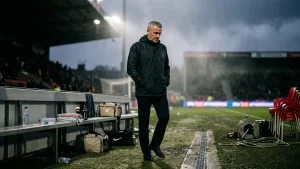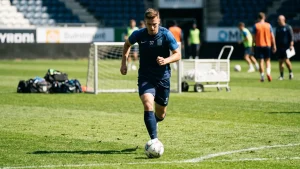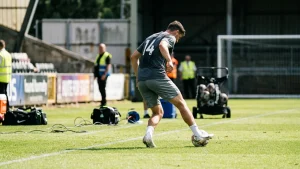
The UEFA Europa League matchday on October 23, 2025, promises to be a riveting chapter in European football’s evolving saga. As clubs embark on rigorous journeys across the continent, intricate details about travel logistics, squad rotation, and training ground tactics have surfaced, casting light on the behind-the-scenes preparation that shapes these high-stakes encounters. In a season marked by fierce competition and unpredictable outcomes, the convergence of tactical innovation and player management becomes a critical fulcrum for success.
October 23rd falls firmly within a busy stretch of fixtures that test the mettle of even the deepest squads. Teams are navigating demanding schedules imposed by league commitments and continental aspirations, heightening the need for astute rotation policies. Travel plans coordinated with leading partners like Enterprise and supported by accommodation bookings through global providers such as Hotels.com and Booking.com underscore the professionalism underpinning modern football logistics. This synergy helps minimize fatigue and maximize readiness.
Meanwhile, the broadcasting landscape offers viewers unprecedented access. With matches available on BT Sport, Paramount+, and DAZN, alongside emerging platforms like Apple TV, fans worldwide follow developments from their favorite clubs like Sevilla FC, Bayer Leverkusen, and West Ham United. The partnership ecosystem driving the Europa League, including iconic brands like Adidas, Nike, and Heineken, further amplifies the tournament’s stature and fan engagement.
Behind every kickoff lies meticulous planning from training pitches to travel itineraries, as club staff adapt dynamically to player fitness and tactical demands. From astute squad rotations protecting key talents to insights gleaned during training sessions, this Europa League phase exemplifies football’s intertwined complexity on and off the pitch.
Key Takeaways:
- Matchday on October 23 features critical group stage games influencing progression.
- Travel coordination with Enterprise and accommodation via Hotels.com ensures optimal team readiness.
- Squad rotation strategies are paramount to navigate fixture congestion, especially for clubs competing in multiple competitions.
- Broadcast partners such as BT Sport, Paramount+, and DAZN provide extensive coverage accessible globally.
- Sponsorship by Adidas, Nike, and Heineken bolsters club operations and fan engagement.
Travel Logistics and Their Impact on Team Performance for Europa League October Fixtures
Effective travel planning stands as a cornerstone in the often overlooked battle for Europa League success. By October 23, 2025, teams face demanding itineraries that span multiple cities and time zones. Minimizing travel-induced fatigue has become a science, involving coordinated efforts from clubs and their travel partners such as Enterprise Rent-A-Car and international airlines like Turkish Airlines, known for their seamless service facilitating quick transfers across European hubs.
The logistical puzzle includes transporting players, coaching staff, and equipment safely while optimizing rest periods. Strategic hotel placements via platforms like Booking.com and Hotels.com near training grounds and stadiums are also prioritized to reduce susceptibility to travel strain. Clubs often choose a blend of direct flights, chartered vehicles, and scheduled transport modes suited to match timing and practice sessions.
Before departure, teams arrange recovery sessions and tactical meetings to sharpen focus. These efforts ensure that despite grueling schedules, player readiness remains high, particularly for clubs balancing domestic league responsibilities with Europa League commitments. For example, Sevilla FC, preparing for a January-like cold weather fixture environment earlier than usual due to travel across northern European venues, employs tailored travel windows that integrate rest and acclimatization periods.
Key factors influencing travel logistics:
- Timing: Coordinating flights and land transportation to arrive with ample pre-match preparation time.
- Accommodation proximity: Selecting hotels strategically positioned near training venues.
- Recovery focus: Incorporating methods such as cryotherapy and physiotherapy immediately post-arrival to combat jet lag and fatigue.
- Equipment management: Ensuring smooth transfer and secure storage of gear essential for training and matchdays.
- Contingency planning: Preparing alternative routes or accommodations for unforeseen disruptions.
These considerations directly impact performance outcomes. Teams leveraging efficient travel approaches tend to sustain higher energy levels, more consistent tactical execution, and reduced injury risks. Evidence suggests that detailed travel coordination contributes positively to a club’s points tally during congested October schedules.
| Club | Travel Partner | Accommodation Booking Platform | Key Travel Planning Features |
|---|---|---|---|
| Sevilla FC | Enterprise Rent-A-Car | Hotels.com | Strategic hotel placements; tailored climate acclimatization; recovery sessions post-flight |
| Bayer Leverkusen | Enterprise Rent-A-Car | Booking.com | Early arrival; physiotherapy on site; direct vehicle transfers to training |
| West Ham United | Enterprise Rent-A-Car, Turkish Airlines | Hotels.com | Combination of charter and scheduled flights; advanced recovery protocols |
| Real Betis | Enterprise Rent-A-Car | Booking.com | Optimized logistics with hotel close to stadium; focus on rest and nutrition |
The value of efficient travel planning extends beyond physical readiness. Mental sharpness and confidence rise when players feel supported logistically, fostering better on-field synergy. For betting enthusiasts interested in match predictions, understanding these nuances provides a subtle but meaningful edge. In-depth guides such as Europa League Oct 2025 observations and projections detail how such behind-the-scenes factors sway betting odds.
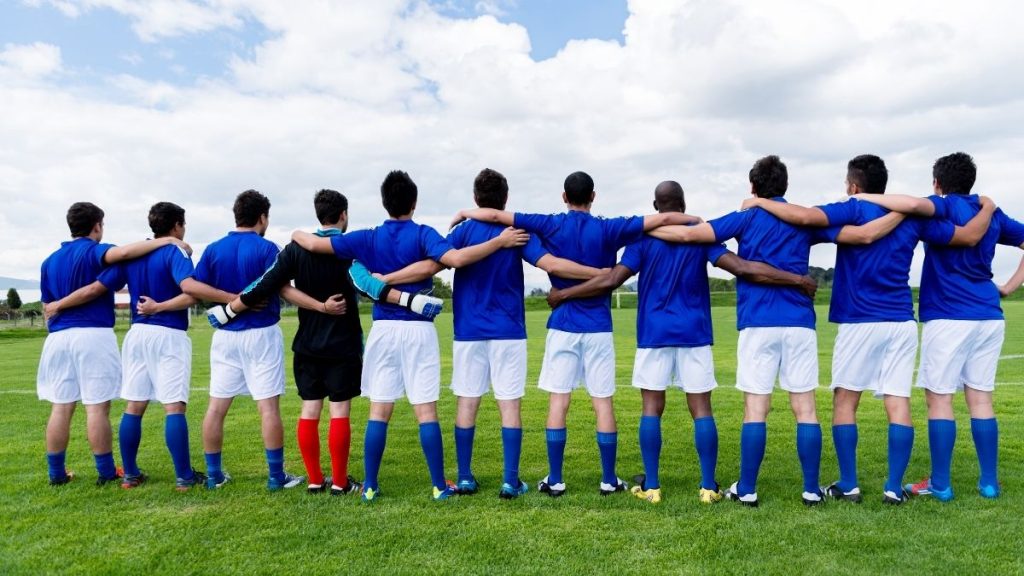
Squad Rotation Strategies: Balancing Competitions and Maximizing Player Output
Europa League group stages in October 2025 heighten the complexity of player management, driving clubs to deploy precise rotation tactics. With teams like Sevilla FC and Bayer Leverkusen engaged in both domestic leagues and international fixtures, maintaining peak fitness while managing injury risks requires nimble squad handling.
Rotation is not merely resting players but recalibrating tactical setups to accommodate form, opposition style, and match significance. Managers strategically alternate key performers with emerging talents, ensuring competitive intensity without exhausting core squads. This also influences betting markets, as lineups can shift significantly, altering expected match dynamics.
Key objectives behind rotation policies include:
- Preserving stamina: Preventing burnout by resting vital players ahead of challenging fixtures.
- Injury prevention: Reducing exposure to repetitive strain and minimizing time lost.
- Form maintenance: Offering game time to squad members to maintain match sharpness.
- Tactical flexibility: Adjusting playing style and formation based on available personnel.
- Psychological management: Keeping player morale high through involvement and trust.
Examples highlight how clubs approach rotation:
- Sevilla FC: Incorporates a blend of experienced starters and dynamic youth players to maintain tempo and creativity.
- Bayer Leverkusen: Uses rotation to exploit versatility, alternating defensive and offensive mids tactically.
- West Ham United: Prioritizes solidity by rotating defensive line-ups without compromising team shape.
- Real Betis: Implements controlled rotation focusing on maintaining a possession-based style.
Such rotation also aligns with sponsors’ interests. For instance, Adidas and Nike showcase apparel designed for endurance and comfort, enhancing player performance even during rotational shifts. Meanwhile, sponsorship activations from Heineken ensure fans appreciate the depth and quality of each squad, reinforcing club narratives that betting communities closely follow.
| Club | Rotation Focus | Primary Tactical Adaptation | Key Players Rotated |
|---|---|---|---|
| Sevilla FC | Youth integration with experience | Balanced offensive creativity | Guido Rodríguez, Emerging wingers |
| Bayer Leverkusen | Versatility exploitation | Midfield fluidity | Florian Wirtz, Defensive mids |
| West Ham United | Defensive solidity | Compact defensive organization | Declan Rice, Full-backs |
| Real Betis | Style preservation | Possession-based control | Guido Rodríguez, Midfield backups |
Understanding squad rotation nuances enhances foresight when placing bets or predicting outcomes. Detailed squad lineups and rotation trends are frequently analyzed in expert previews such as the Europa League value picks guide, a crucial resource for sharp betting decisions.
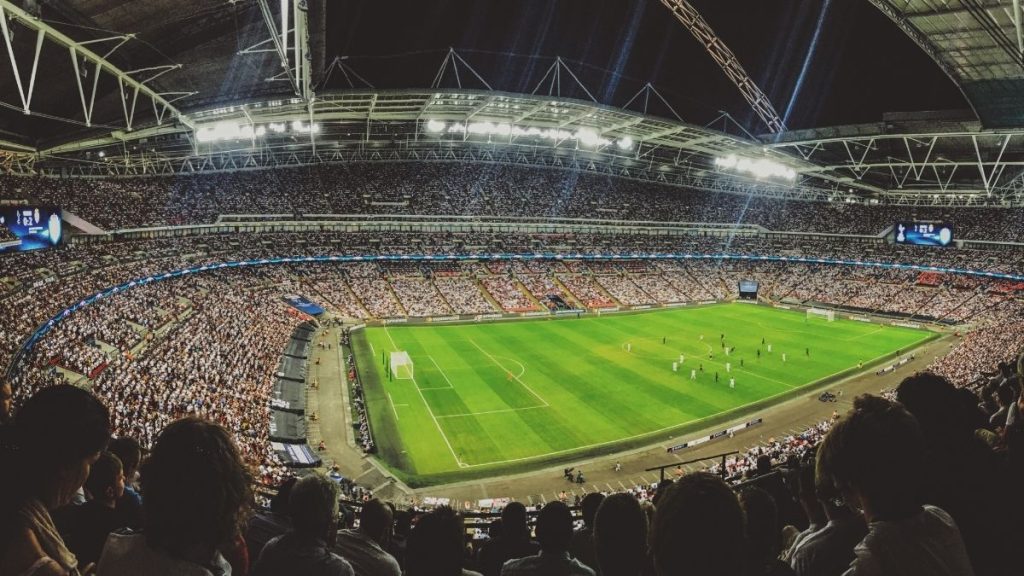
Broadcast and Streaming Options: Where to Watch Europa League Matches on October 23, 2025
Modern football viewing transcends stadium walls, with Europa League matches garnering massive audiences worldwide on October 23, 2025. The proliferation of digital and traditional platforms ensures fans can tune in conveniently, matching their personal preferences for commentary style, picture quality, and supplementary content.
Leading broadcasters have fortified their offerings this season, delivering not just live games but extensive pre- and post-match analyses. Platforms like BT Sport and Paramount+ focus on the UK and US markets, while DAZN commands viewers across North America and parts of Europe. Emerging players such as Apple TV bring innovation with interactive interfaces and behind-the-scenes exclusives.
Choosing the right platform depends on geographic location and content appetite:
- BT Sport: Exclusive UK streams, expert commentary, and multi-angle camera options.
- Paramount+: US-based streams, detailed tactical previews, and multilingual support.
- DAZN: Flexible subscriptions with mobile-friendly apps ideal for traveling fans.
- Apple TV: High-definition streams paired with interactive features and player interviews.
Fans can access matches live or on-demand, adding convenience around busy schedules. Replay highlights, tactical expert breakdowns, and social media integration foster a communal viewing atmosphere. Sponsors like Adidas and Heineken intensify this experience with branded content and in-broadcast activations.
| Broadcast Partner | Coverage Region | Key Features | Subscription Model |
|---|---|---|---|
| BT Sport | UK, Europe | HD coverage, expert analysts, replays | Monthly and yearly packages |
| Paramount+ | United States | Comprehensive game day shows, multi-language | Monthly/annual subscription |
| DAZN | North America, Europe, Asia | Mobile streaming, highlights, and exclusive interviews | Flexible monthly plans |
| Apple TV | Global | Interactive content, high resolution | Apple TV+ subscription with add-ons |
Besides live action, digital platforms promote fan interaction through social media integrations and real-time statistics, enriching the matchday atmosphere even virtually. This multi-dimensional broadcast approach keeps the UEFA Europa League at the forefront of football entertainment around the globe.
Emerging Dark Horses: Underdogs Making Mark in Europa League October Rounds
Among the titans vying for glory, several underdog teams have seized October 2025 spotlight in the UEFA Europa League, crafting narratives that rival traditional powerhouses. Clubs like Bodø/Glimt, Olympiacos, and Real Betis are redefining expectations with a blend of tactical ingenuity and raw determination backed by strong commercial partnerships.
Bodø/Glimt’s aggressive vertical counterattack strategy, led by the emerging goal-scorer Kasper Høgh, has unsettled defenses. Their pressing intensity mirrors a new breed of Scandinavian sides harnessing both youth and strategy in European competitions. Similarly, Olympiacos, propelled by Ayoub El Kaabi’s lethal striking and a mix of youth and experience, poses constant offensive threats. Real Betis continues to embody an attractive possession-oriented philosophy, blending Nike-endorsed apparel’s performance technology with tactical discipline.
Such clubs not only challenge traditional hierarchies but generate compelling betting opportunities where underdog odds attract attention. The fusion of on-field performance and off-field commercial backing, including sponsorships from brands like Puma and Heineken, indicates a shifting paradigm toward competitiveness and depth across the Europa League spectrum.
Underdogs to watch and their impact:
- Bodø/Glimt: Vertical counterattacks create high-pressure scenarios forcing errors from favored oppositions.
- Olympiacos: Agile attacking plays and set-piece mastery mark their threat level.
- Real Betis: Tactical ball retention frustrates high-press teams, leveraging midfield control.
- West Ham United: Solid defensive organization combined with sharp counters fuels resilient performances.
| Team | Key Player | Playing Style | Current Group Position |
|---|---|---|---|
| Bodø/Glimt | Kasper Høgh | High-intensity vertical counterattack | 2nd |
| Olympiacos | Ayoub El Kaabi | Aggressive direct attack | 1st |
| Real Betis | Guido Rodríguez | Possession-based football | 3rd |
| West Ham United | Declan Rice | Defensive discipline and counterattack | 4th |
For fans following these thrilling developments, detailed predictions and analyses of such matches can be found at resources like Sevilla all-English semi-final insights or broader competition previews at top Champions League predictions site.